Japanese Kuruma Dansu From Yonezawa - Edo Period
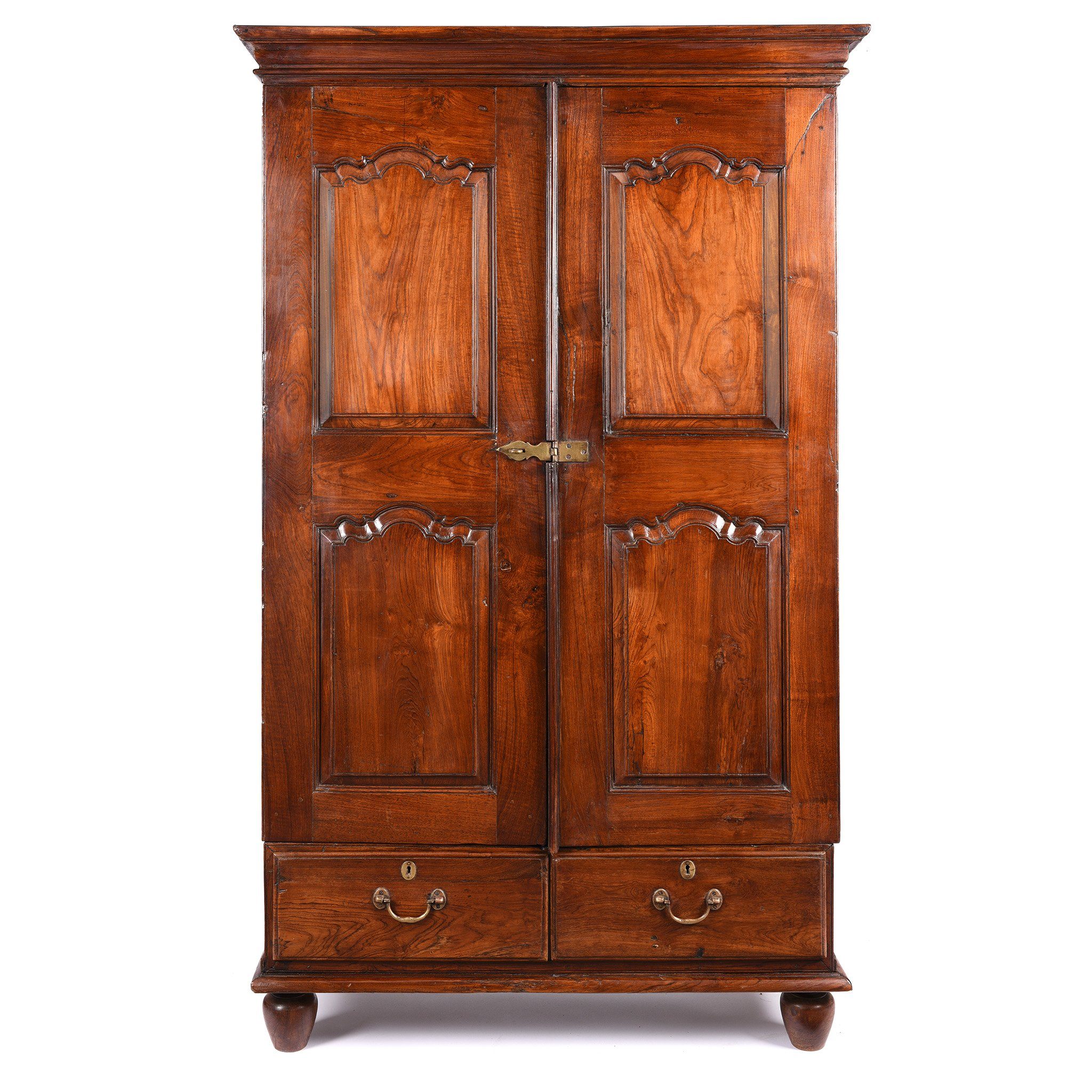
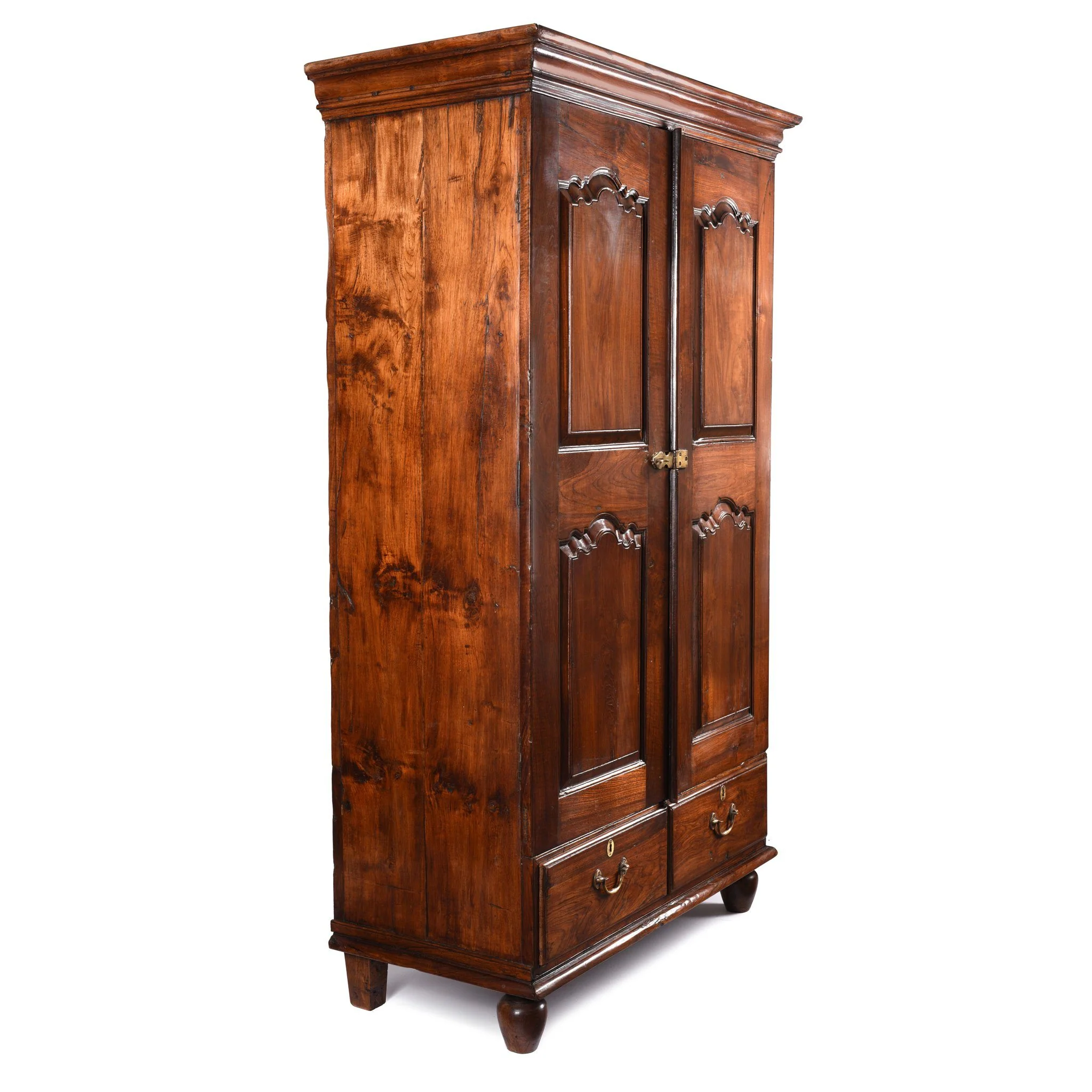
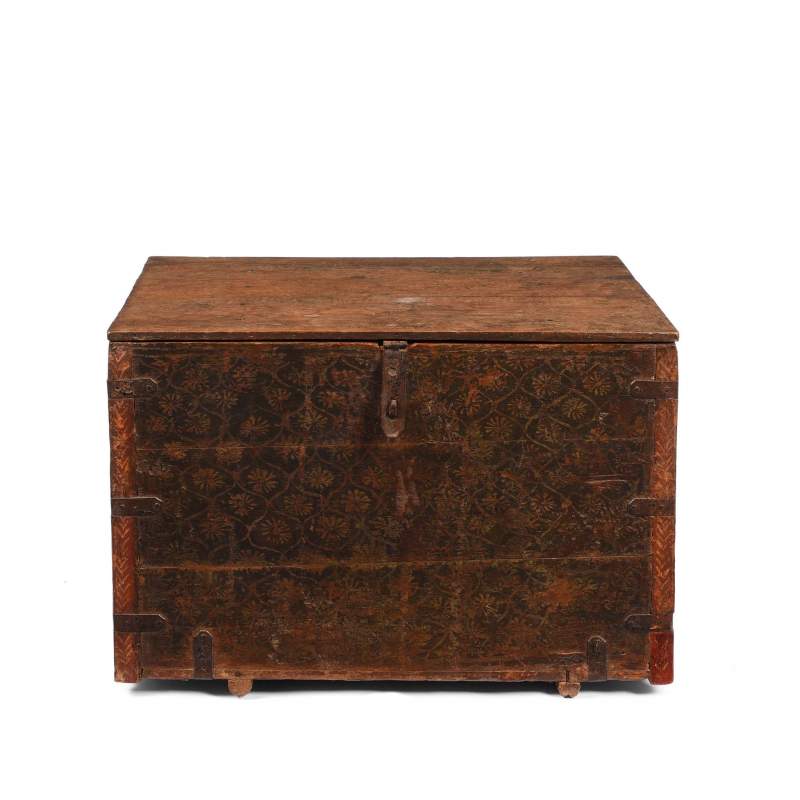
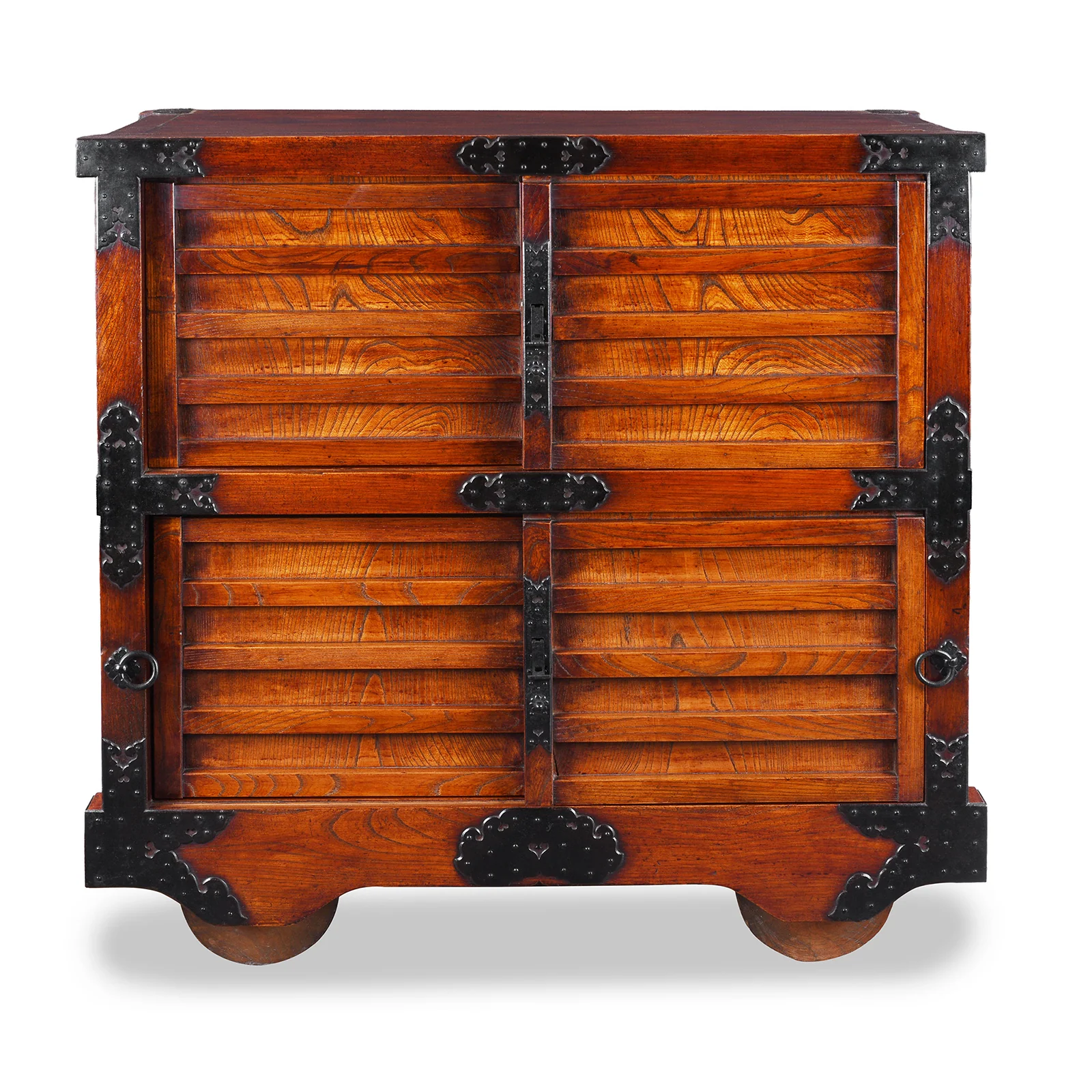
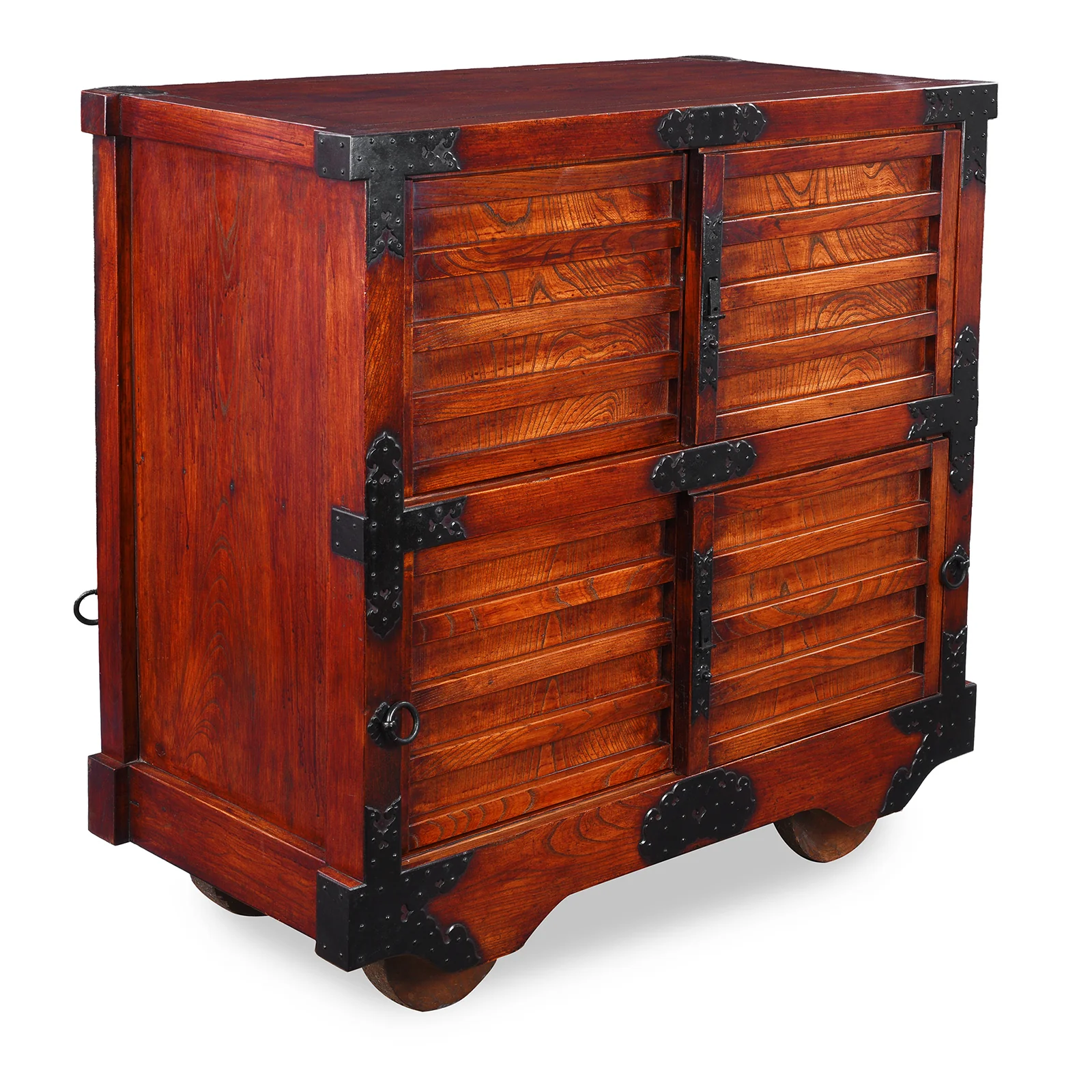
This excellent Japanese Kuruma Dansu (wheeled chest) originates from Yonezawa, a castle town in Yamagata Prefecture renowned for producing some of Japan's finest tansu cabinetry during the Edo period. Kuruma dansu were wheeled chests used for storing household and shop valuables. They are some of the older Japanese chests with this one dating to the Edo period (1603 - 1868).
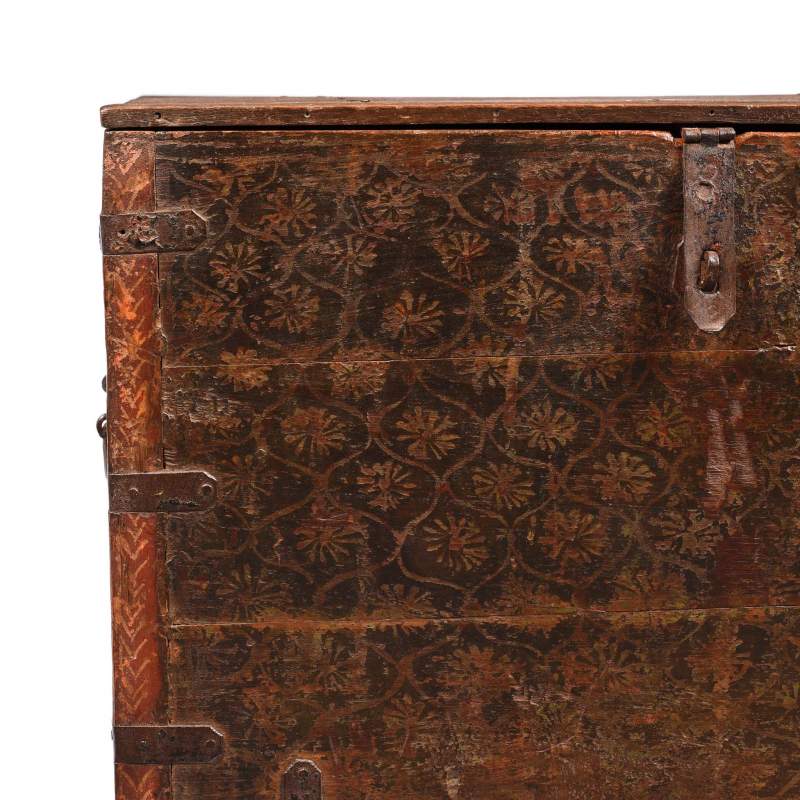
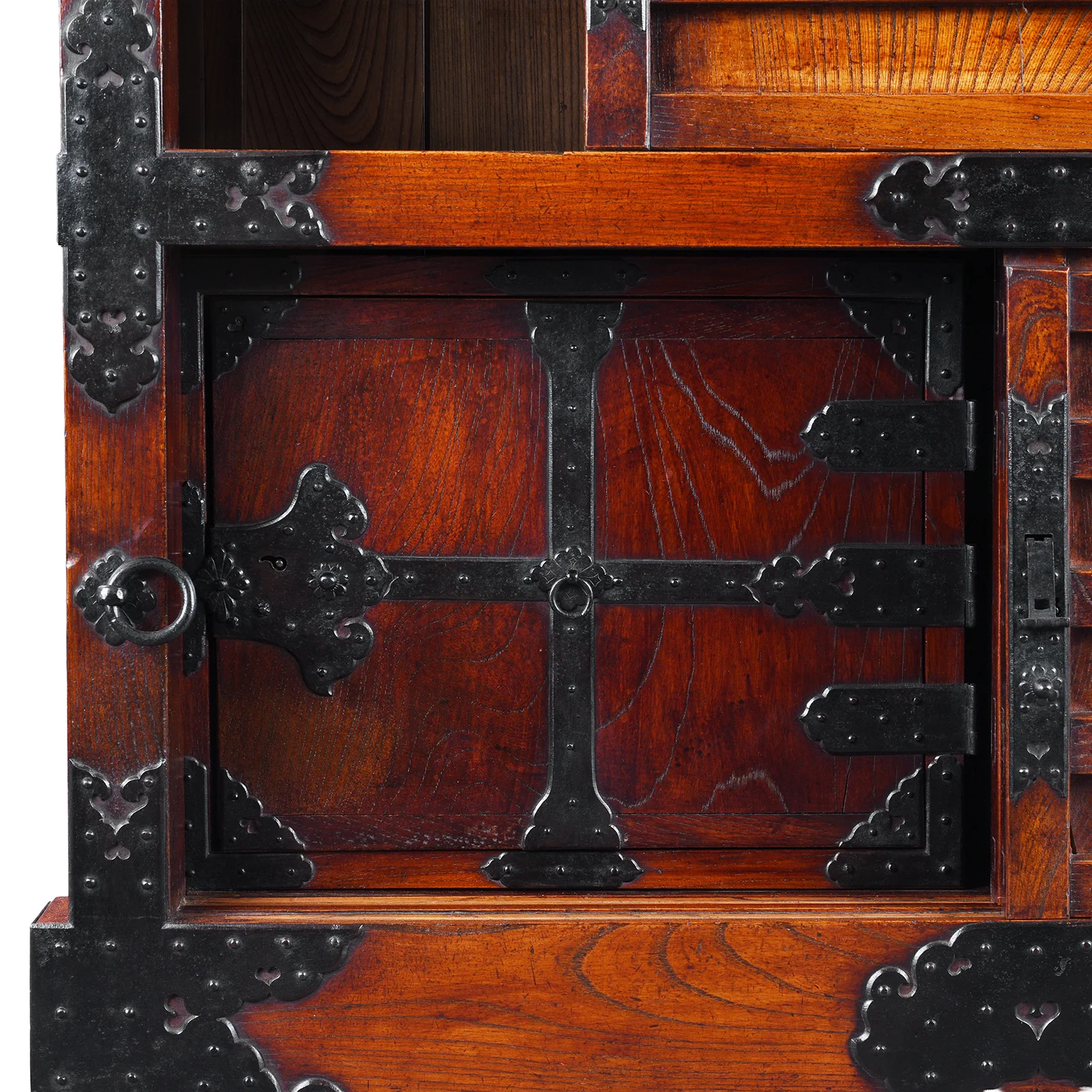
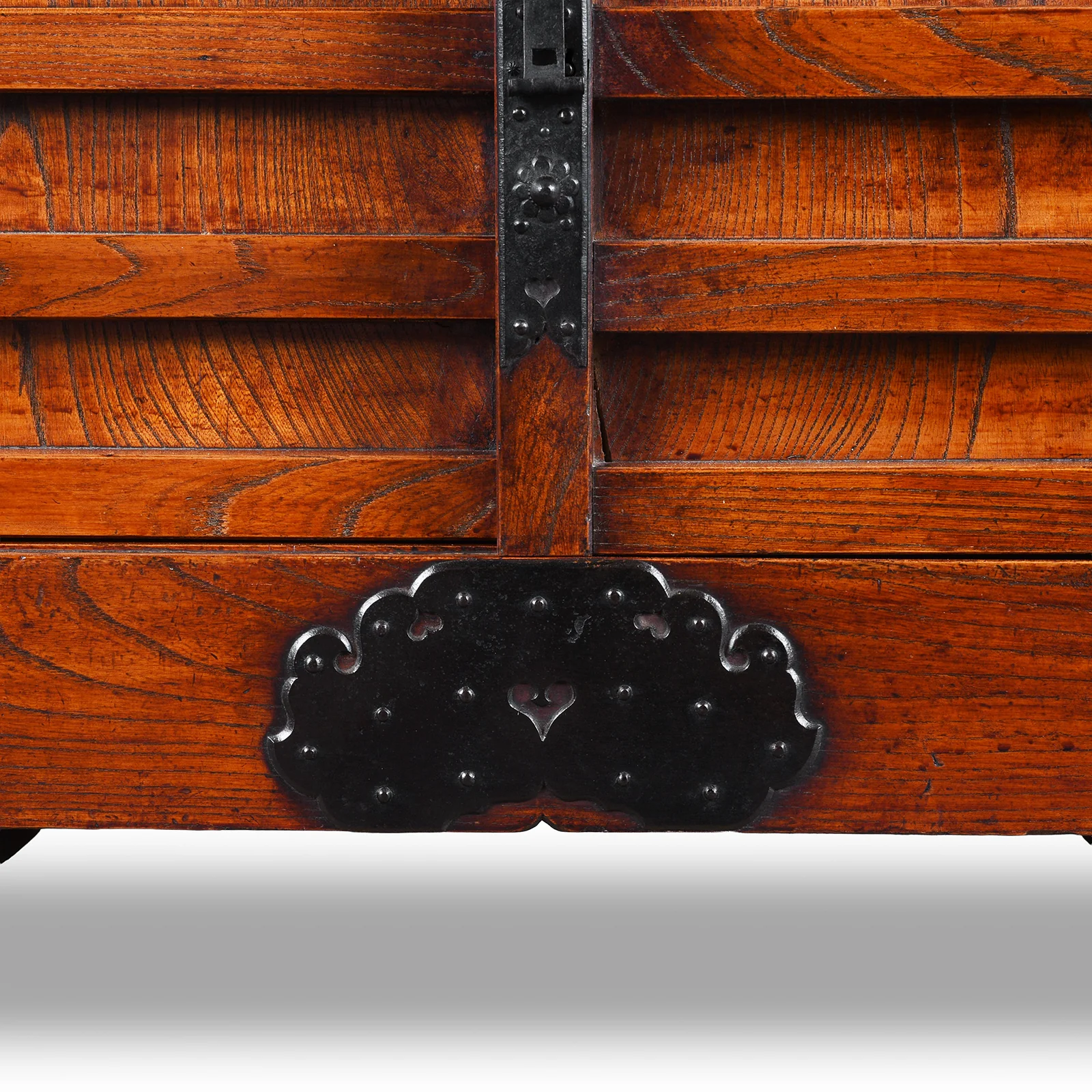
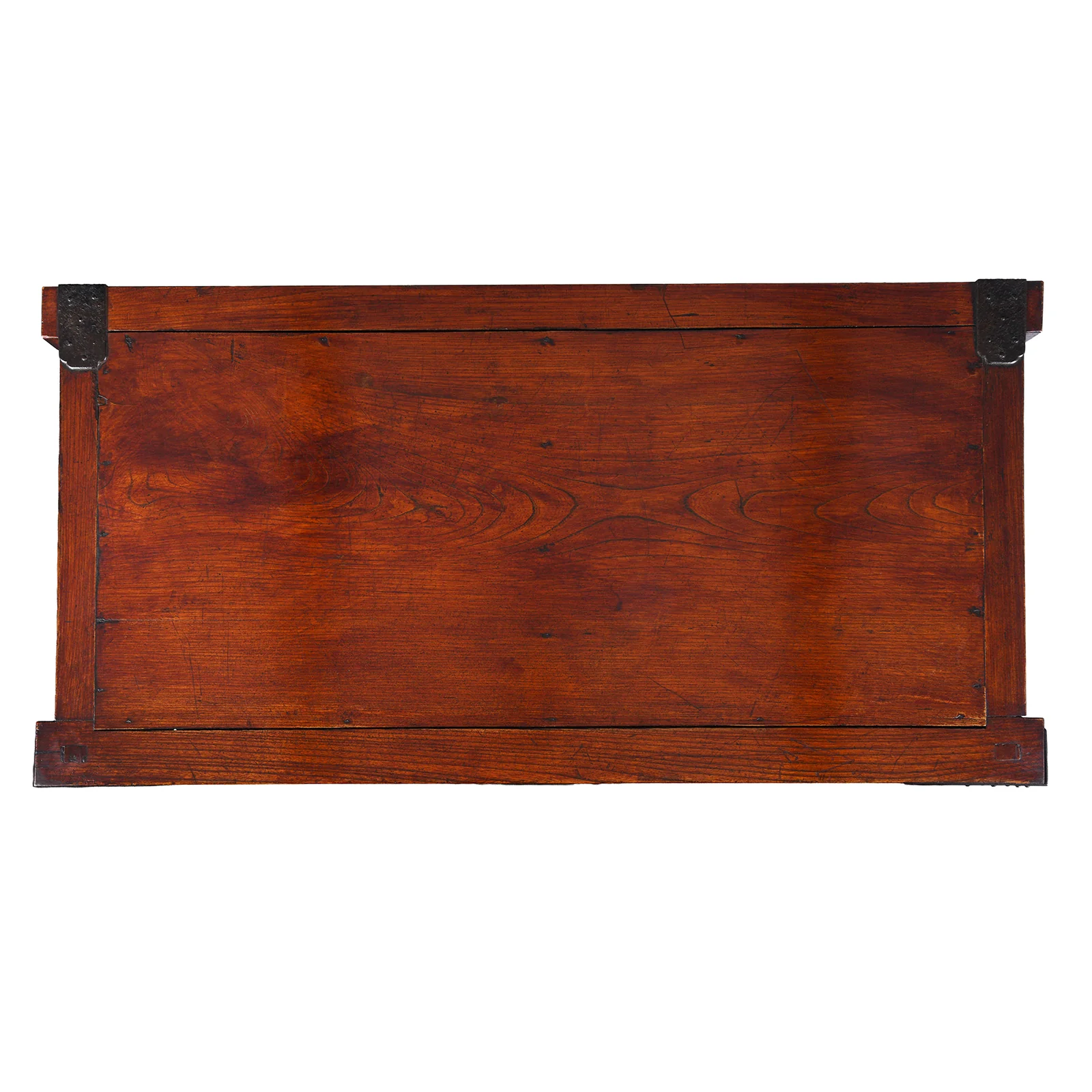
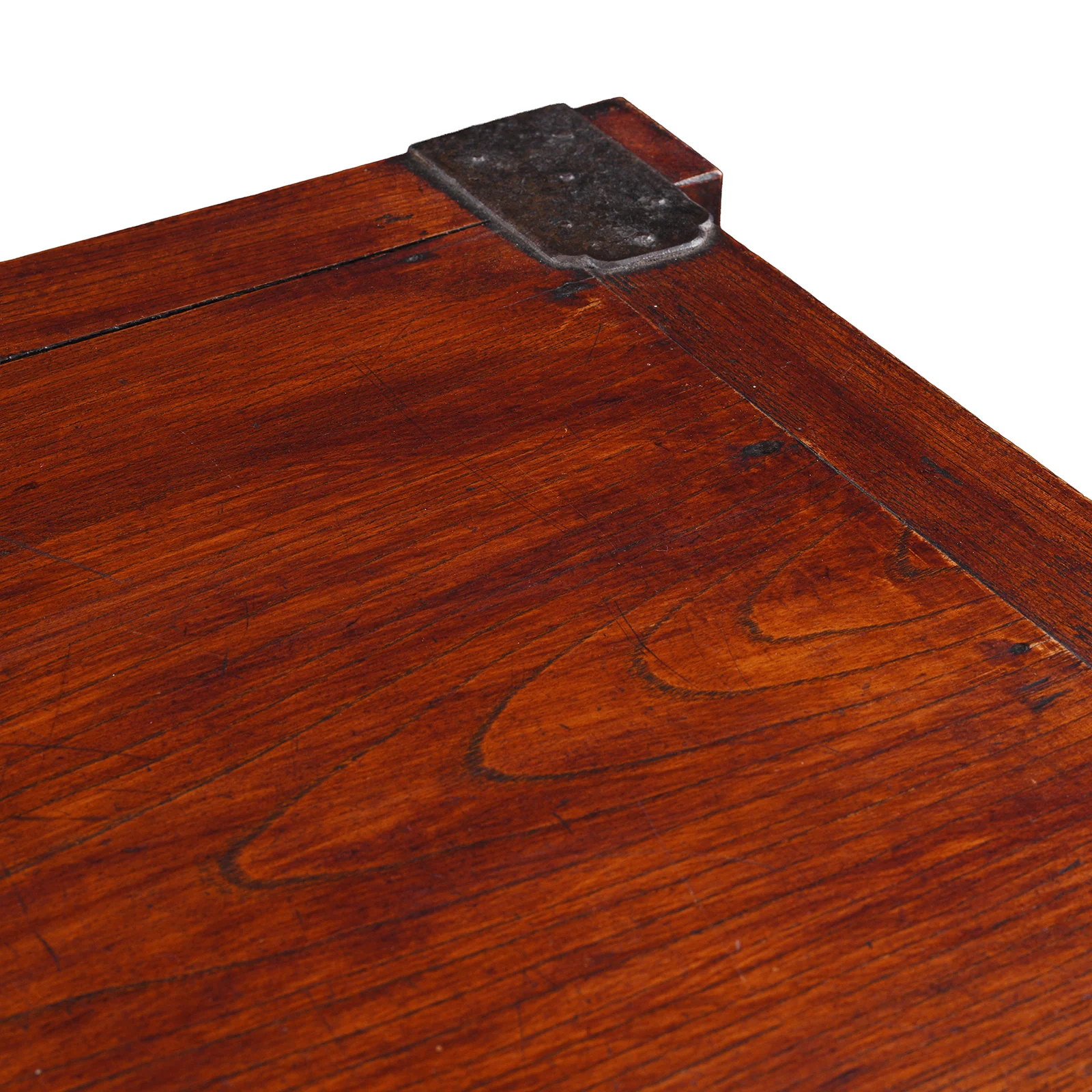
This kuruma dansu was made for a wealthy customer, illustrated by its construction from beautifully figured Zelkova (Keyaki) wood and finishing with a rich Urushi lacquer - even on the drawer sides, a mark of finer quality craftsmanship. The wood & iron hardware have developed a wonderful aged patina over time.
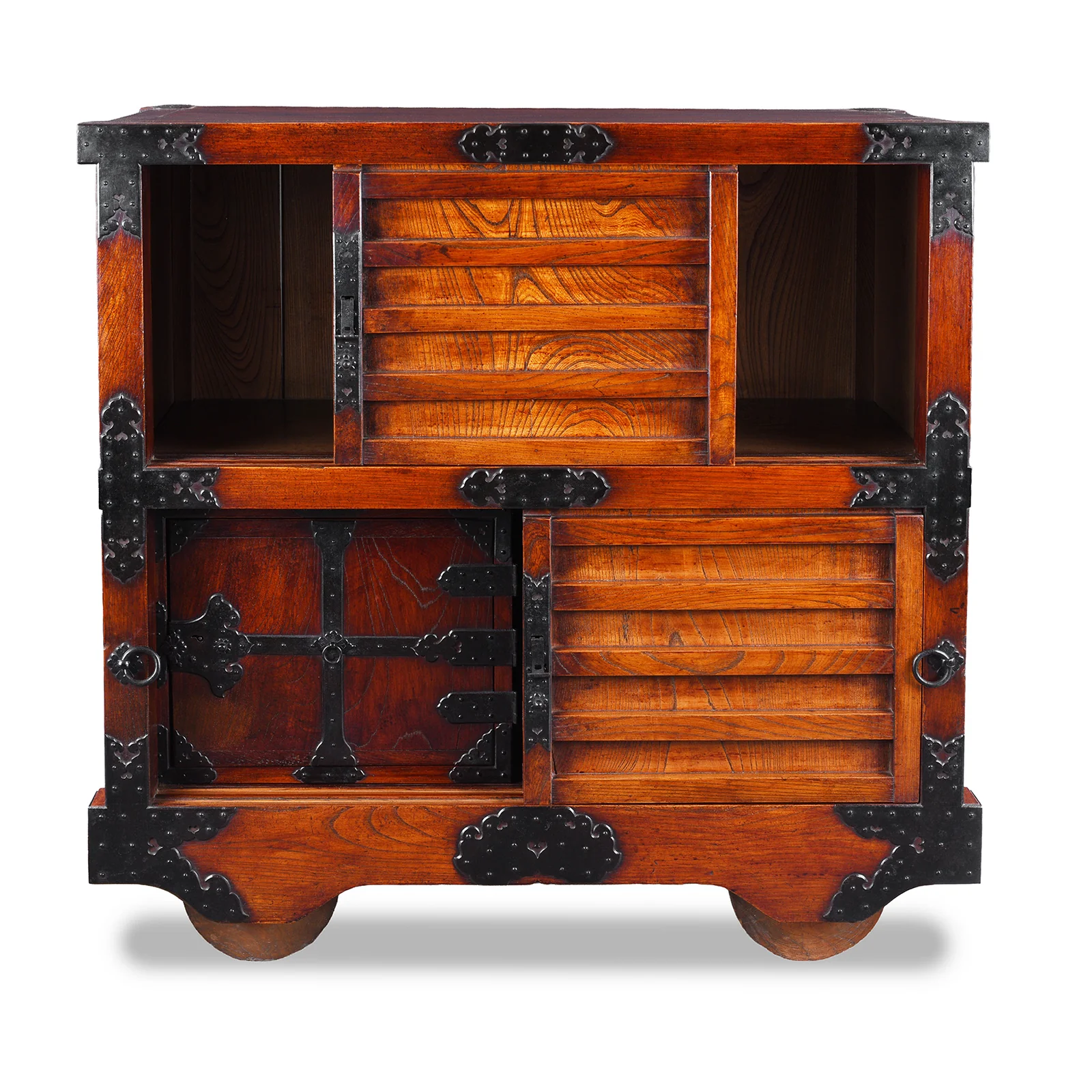
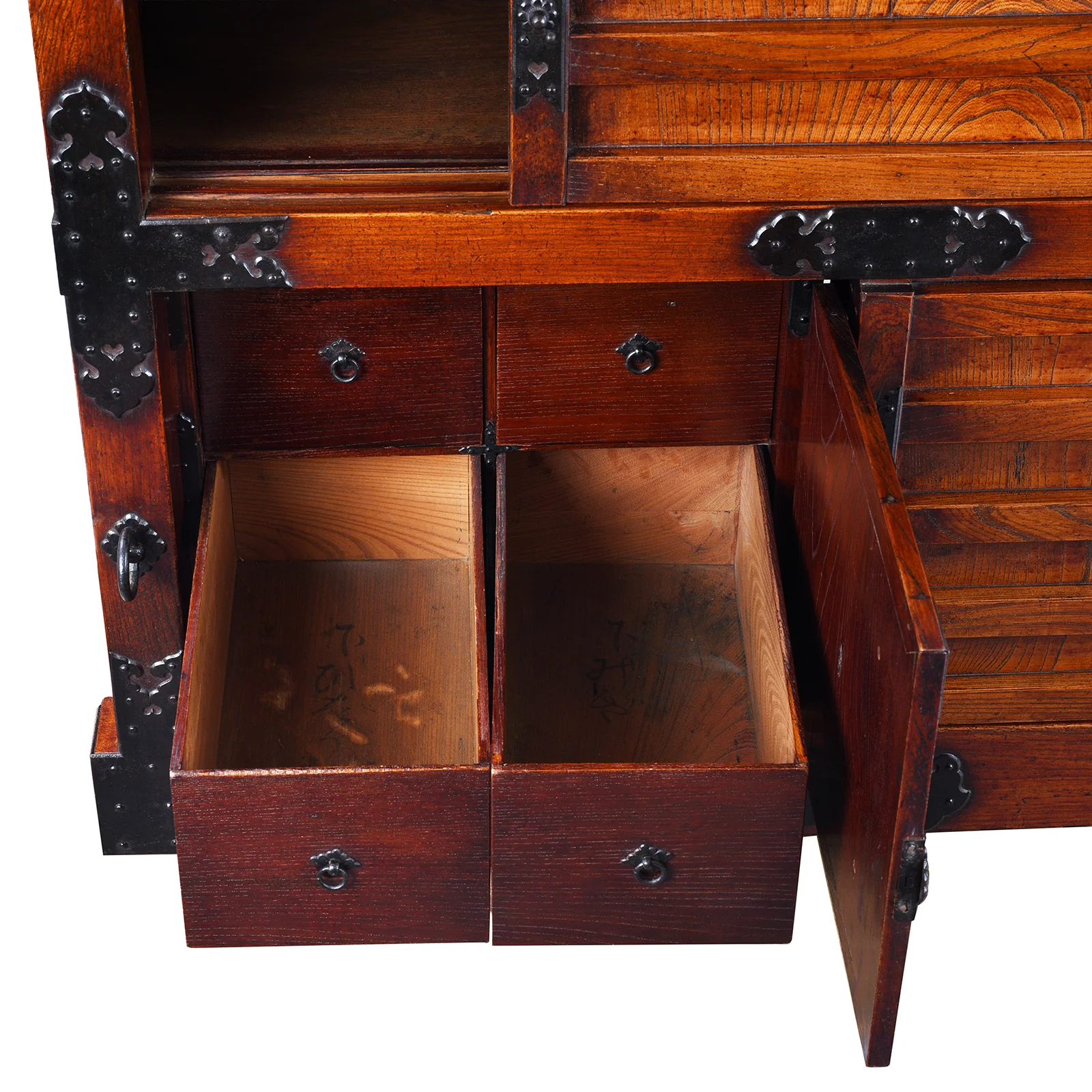
The upper section features sliding panel doors that can be moved in either direction to reveal generous storage compartments behind. The lower section offers additional concealed storage, including a hinged lockbox cupboard containing four internal drawers, demonstrating the highly functional design for which Japanese tansu furniture is celebrated.
Examples from Yonezawa are particularly admired for their refined proportions, robust construction and sophisticated iron fittings, making this an outstanding piece for both collectors and interior designers alike.
- Origin: Yonezawa, Yamagata Prefecture, Japan
- Date: Edo Period (1603–1868)
- Materials: Zelkova (Keyaki) wood, Urushi lacquer, hand-forged iron fittings
- Construction: Traditional Japanese joinery
- Features: Mounted on original wheels, sliding panel doors, concealed storage compartments, four internal drawers behind hinged cupboard door
- Condition: Very good antique condition with age-related wear and a beautiful original patina
- Dimensions: W111 x D56 x H111 cm
Reference: For similar examples and further reading see Japanese Cabinetry: The Art & Craft of Tansu by David Jackson & Dane Owen, page 141 OR Traditional Japanese Furniture: A Definitive Guide by Kazuko Koizumi figure 28.
Product Information
Product Information
Shipping & Returns
Shipping & Returns



Japanese Kuruma Dansu From Yonezawa - Edo Period
Japanese Kuruma Dansu From Yonezawa - Edo Period
This excellent Japanese Kuruma Dansu (wheeled chest) originates from Yonezawa, a castle town in Yamagata Prefecture renowned for producing some of Japan's finest tansu cabinetry during the Edo period. Kuruma dansu were wheeled chests used for storing household and shop valuables. They are some of the older Japanese chests with this one dating to the Edo period (1603 - 1868).
This kuruma dansu was made for a wealthy customer, illustrated by its construction from beautifully figured Zelkova (Keyaki) wood and finishing with a rich Urushi lacquer - even on the drawer sides, a mark of finer quality craftsmanship. The wood & iron hardware have developed a wonderful aged patina over time.
The upper section features sliding panel doors that can be moved in either direction to reveal generous storage compartments behind. The lower section offers additional concealed storage, including a hinged lockbox cupboard containing four internal drawers, demonstrating the highly functional design for which Japanese tansu furniture is celebrated.
Examples from Yonezawa are particularly admired for their refined proportions, robust construction and sophisticated iron fittings, making this an outstanding piece for both collectors and interior designers alike.
- Origin: Yonezawa, Yamagata Prefecture, Japan
- Date: Edo Period (1603–1868)
- Materials: Zelkova (Keyaki) wood, Urushi lacquer, hand-forged iron fittings
- Construction: Traditional Japanese joinery
- Features: Mounted on original wheels, sliding panel doors, concealed storage compartments, four internal drawers behind hinged cupboard door
- Condition: Very good antique condition with age-related wear and a beautiful original patina
- Dimensions: W111 x D56 x H111 cm
Reference: For similar examples and further reading see Japanese Cabinetry: The Art & Craft of Tansu by David Jackson & Dane Owen, page 141 OR Traditional Japanese Furniture: A Definitive Guide by Kazuko Koizumi figure 28.
Product Information
Product Information
Shipping & Returns
Shipping & Returns
Description
This excellent Japanese Kuruma Dansu (wheeled chest) originates from Yonezawa, a castle town in Yamagata Prefecture renowned for producing some of Japan's finest tansu cabinetry during the Edo period. Kuruma dansu were wheeled chests used for storing household and shop valuables. They are some of the older Japanese chests with this one dating to the Edo period (1603 - 1868).
This kuruma dansu was made for a wealthy customer, illustrated by its construction from beautifully figured Zelkova (Keyaki) wood and finishing with a rich Urushi lacquer - even on the drawer sides, a mark of finer quality craftsmanship. The wood & iron hardware have developed a wonderful aged patina over time.
The upper section features sliding panel doors that can be moved in either direction to reveal generous storage compartments behind. The lower section offers additional concealed storage, including a hinged lockbox cupboard containing four internal drawers, demonstrating the highly functional design for which Japanese tansu furniture is celebrated.
Examples from Yonezawa are particularly admired for their refined proportions, robust construction and sophisticated iron fittings, making this an outstanding piece for both collectors and interior designers alike.
- Origin: Yonezawa, Yamagata Prefecture, Japan
- Date: Edo Period (1603–1868)
- Materials: Zelkova (Keyaki) wood, Urushi lacquer, hand-forged iron fittings
- Construction: Traditional Japanese joinery
- Features: Mounted on original wheels, sliding panel doors, concealed storage compartments, four internal drawers behind hinged cupboard door
- Condition: Very good antique condition with age-related wear and a beautiful original patina
- Dimensions: W111 x D56 x H111 cm
Reference: For similar examples and further reading see Japanese Cabinetry: The Art & Craft of Tansu by David Jackson & Dane Owen, page 141 OR Traditional Japanese Furniture: A Definitive Guide by Kazuko Koizumi figure 28.