Bleached Kothla Majus From Gujarat - 19th Century
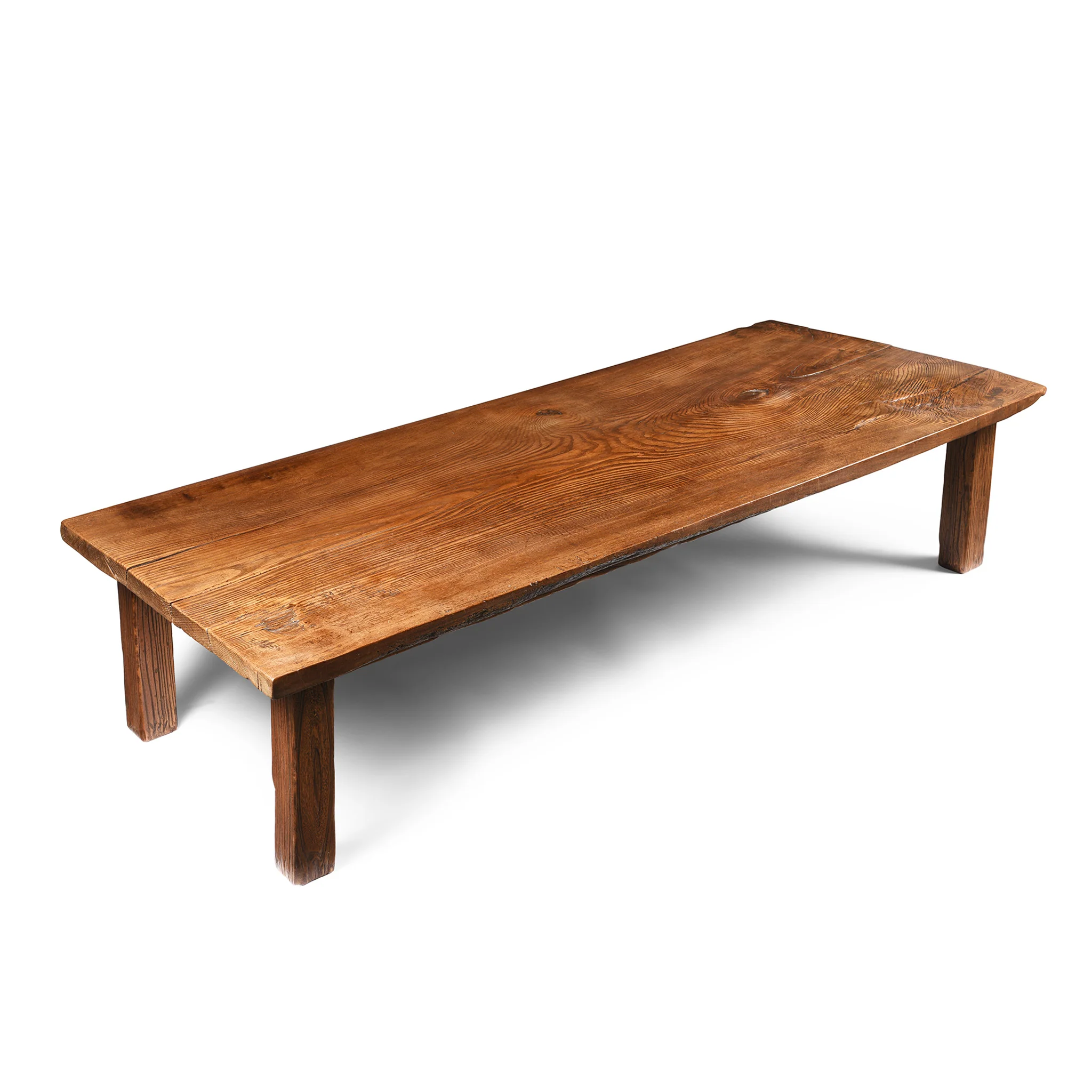
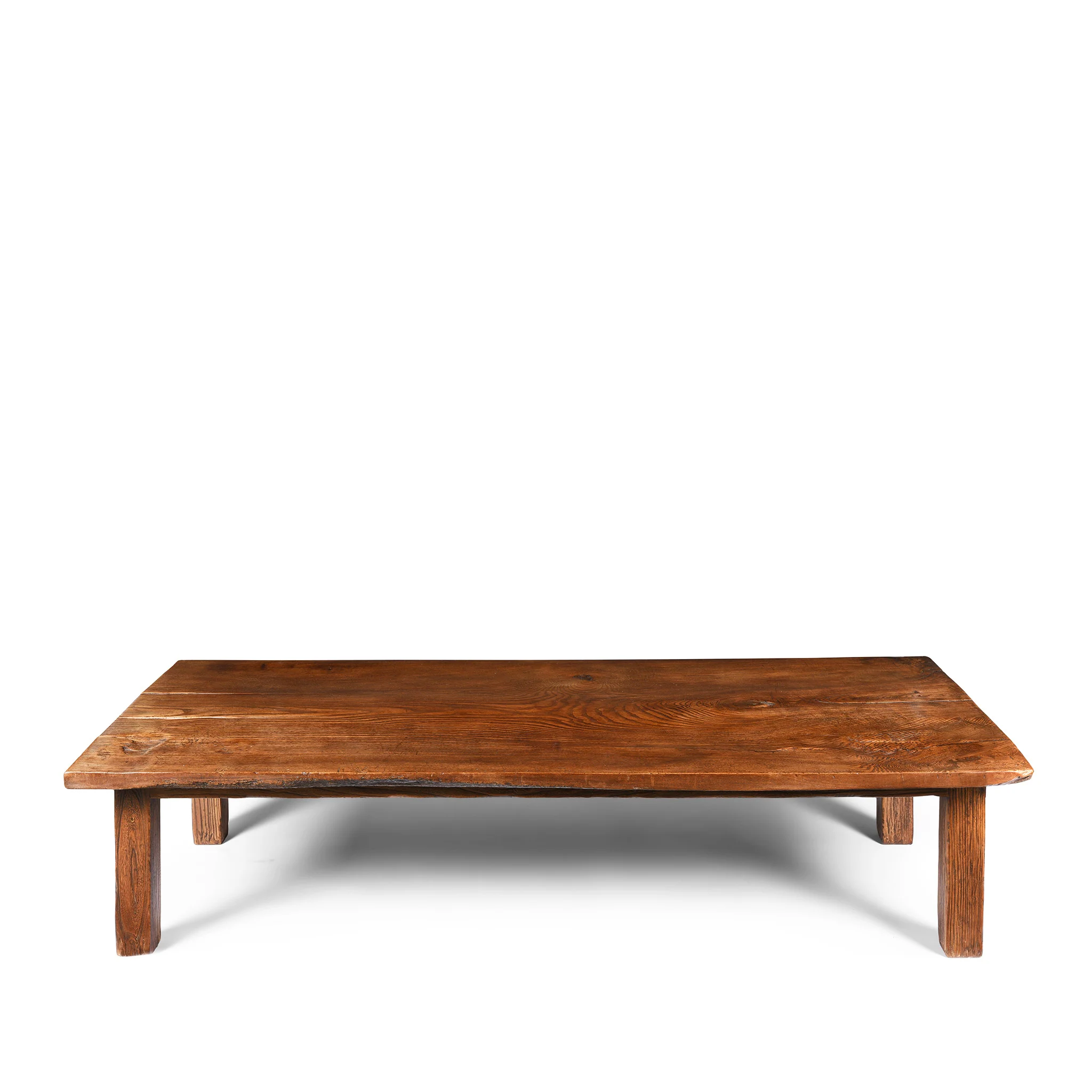
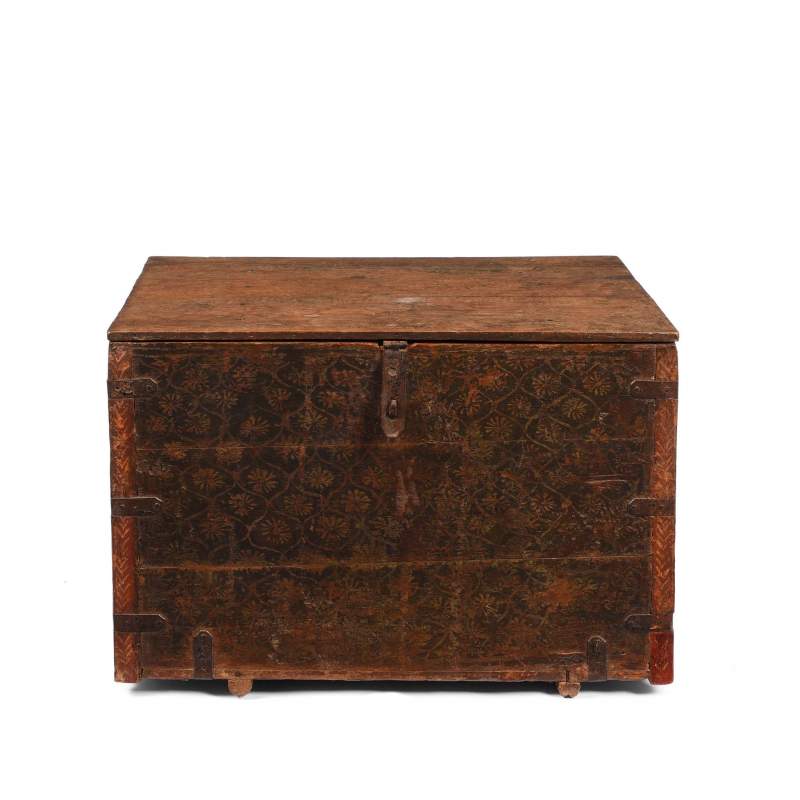
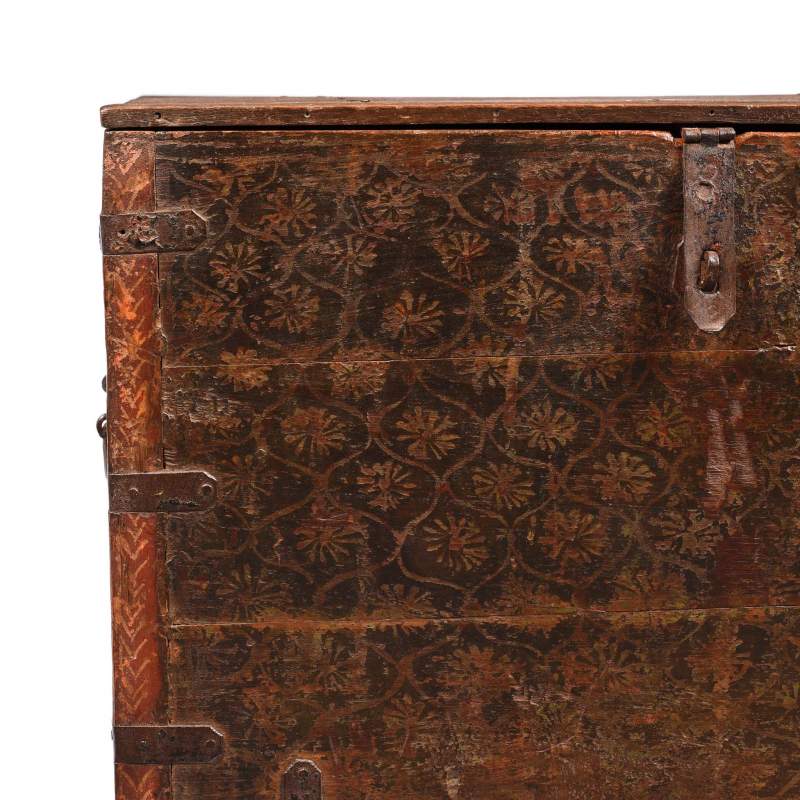
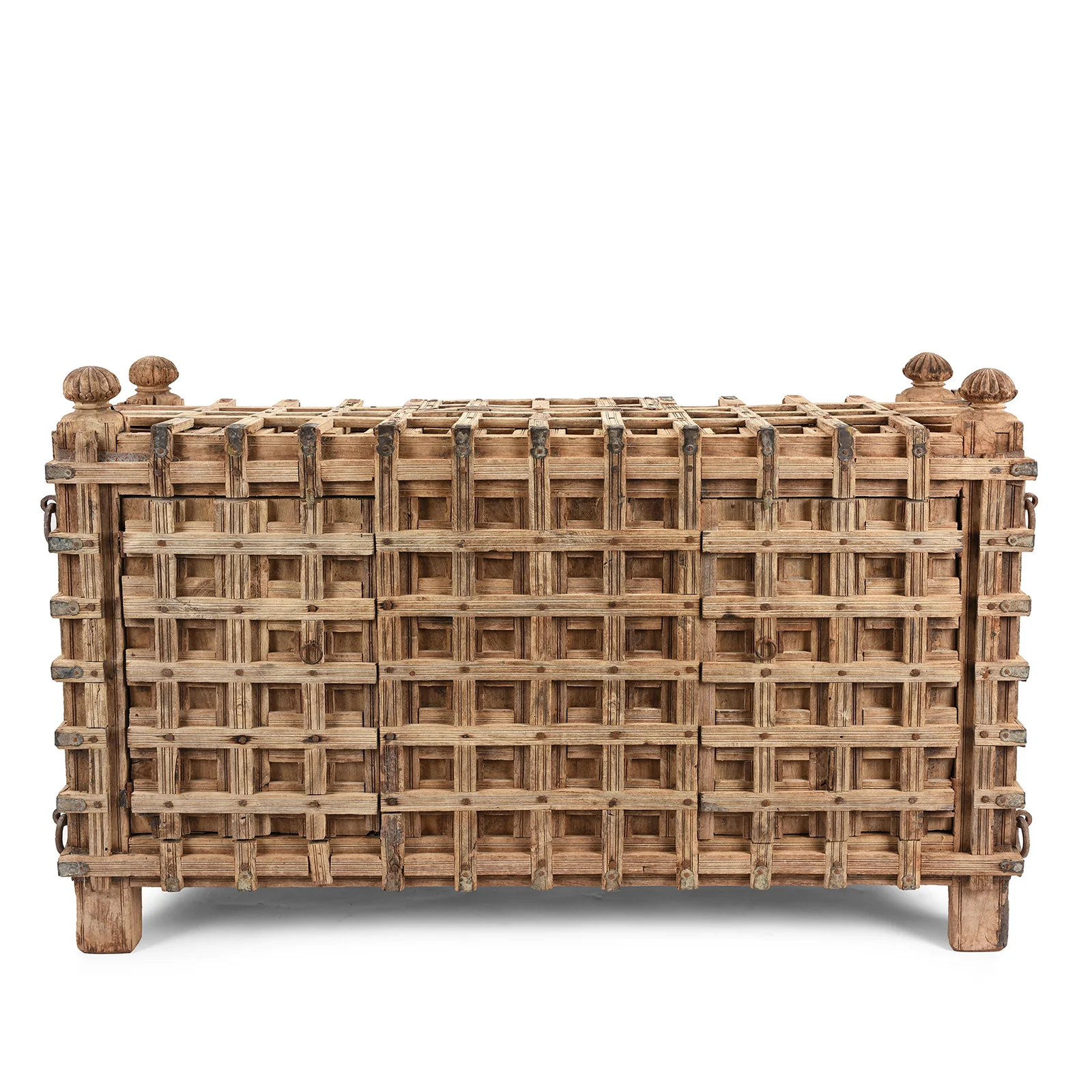
This antique Indian teak dowry chest known as a kothla majus in India has been reduced in depth to create a dramatic console table. It's constructed from solid teak wood and dates to the 19th century.
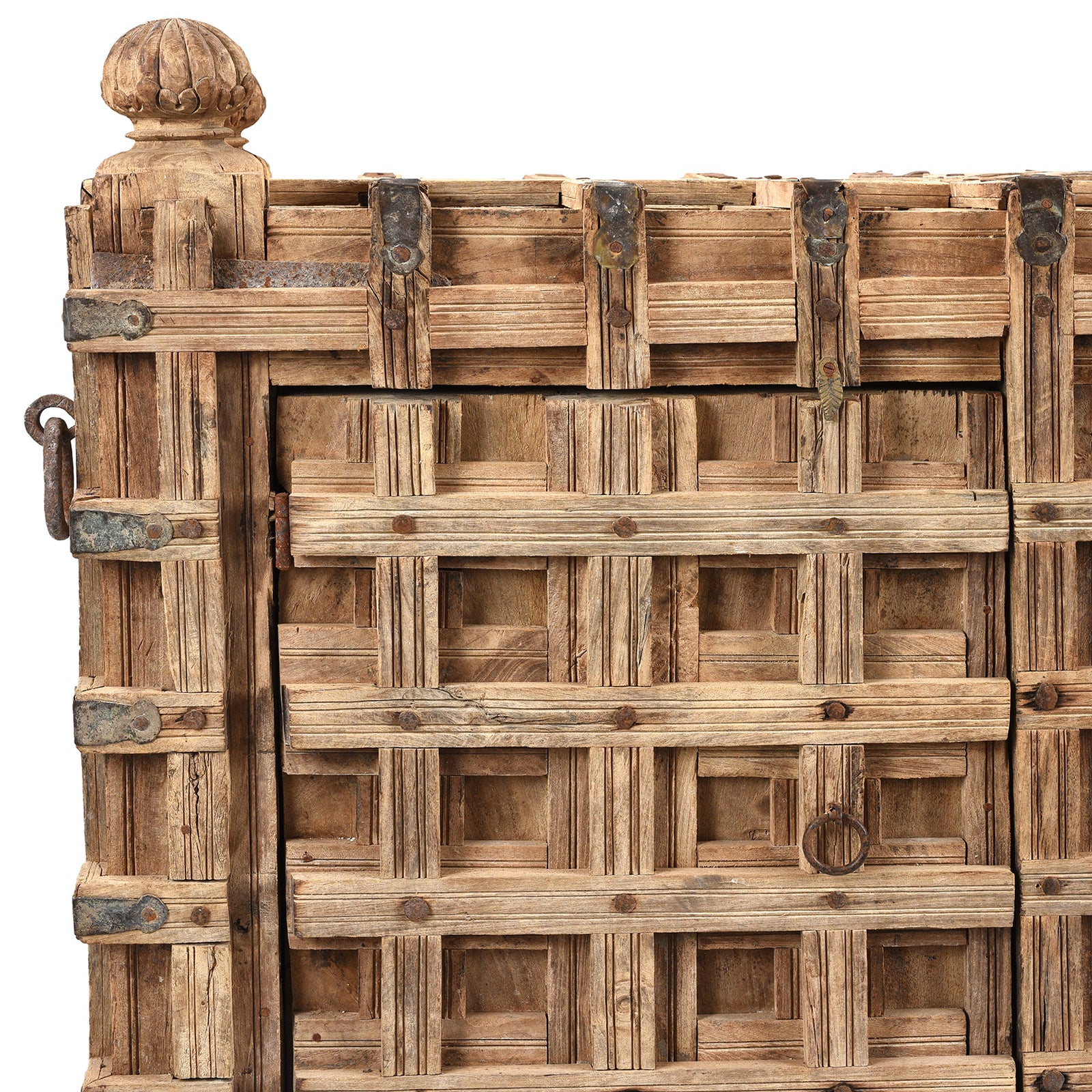
This particular style of kothla majus can be traced to Narmada in Gujarat. These chests would have stored valuables and also everyday items. It has been customised to be front opening making it perfect for storage of bedding for occasional guests. It's so heavy that it would originally have had wheels in order to be moved around the home. The iron rings would have allowed for ropes to be attached.
Product Information
Product Information
Shipping & Returns
Shipping & Returns



Bleached Kothla Majus From Gujarat - 19th Century
Bleached Kothla Majus From Gujarat - 19th Century
This antique Indian teak dowry chest known as a kothla majus in India has been reduced in depth to create a dramatic console table. It's constructed from solid teak wood and dates to the 19th century.
This particular style of kothla majus can be traced to Narmada in Gujarat. These chests would have stored valuables and also everyday items. It has been customised to be front opening making it perfect for storage of bedding for occasional guests. It's so heavy that it would originally have had wheels in order to be moved around the home. The iron rings would have allowed for ropes to be attached.
Original: $2,514.09
-65%$2,514.09
$879.93Product Information
Product Information
Shipping & Returns
Shipping & Returns
Description
This antique Indian teak dowry chest known as a kothla majus in India has been reduced in depth to create a dramatic console table. It's constructed from solid teak wood and dates to the 19th century.
This particular style of kothla majus can be traced to Narmada in Gujarat. These chests would have stored valuables and also everyday items. It has been customised to be front opening making it perfect for storage of bedding for occasional guests. It's so heavy that it would originally have had wheels in order to be moved around the home. The iron rings would have allowed for ropes to be attached.